How to Elevate Real Estate Assets from a Low-Quality Photo
A professional guide on how we methodically transform poor baseline photography into comprehensive, high-end editorial render sets.
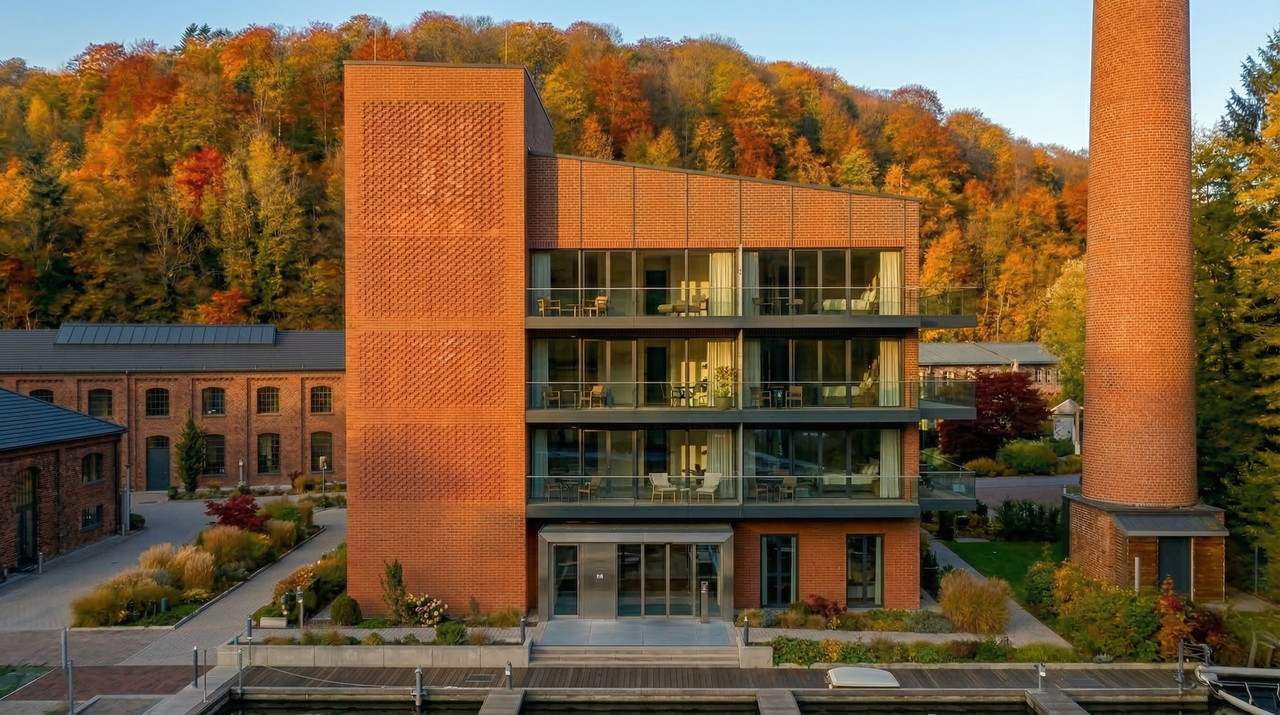
In real estate marketing, the quality of your visual assets dictates the perceived value of the property before a buyer even steps through the door. Often, we are handed low-quality smartphone captures or basic 3D drafts. Our goal isn't just to "make it look better"—it's to establish a cohesive, photorealistic narrative. Here is a breakdown of our exact methodology.
Phase I: Establishing the Master Anchor
Before generating a full gallery, you need an "Anchor Image". This first render establishes the setting, the mood, and the lighting parameters for the entire series. When working from a low-quality photo, the precision of your prompt is everything.
You must actively dictate the atmospheric conditions from a specific vocabulary list. Do not let the AI guess. Specify the time of day and lighting mood by choosing parameters like: Golden Hour, Early Morning, Overcast, Blue Hour, or Night.
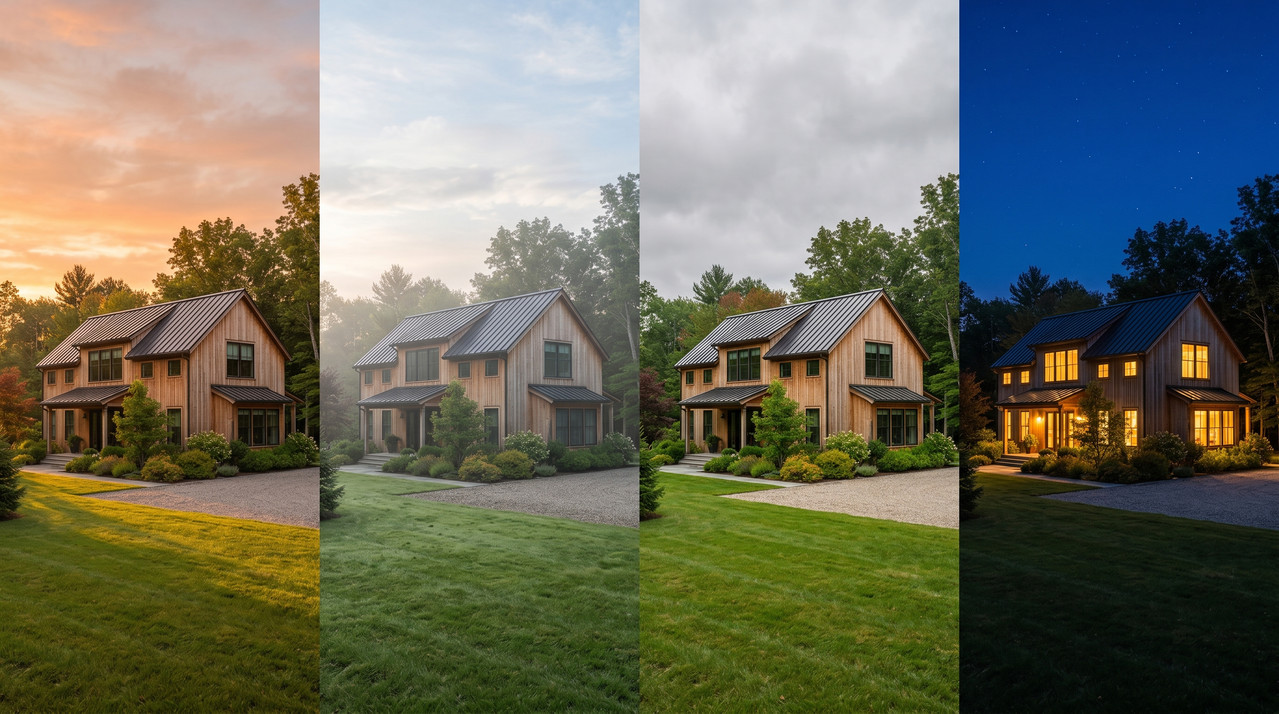
We also lock in the specific architectural style (e.g., High-end, Industrial, Residential) and the camera gear to emulate. Here is an example of a foundational prompt we might use:
"Create a photorealistic version of the picture, appear well-maintained and renovated, for editorial real estate resolution. Shot with a Canon EOS R5. Golden Hour lighting, editorial real estate quality."
Phase II: Aesthetic Propagation
Once we have successfully generated this Anchor frame, it becomes our core reference. By extracting the stylistic and lighting DNA of this master image, we can import it alongside other low-quality photos of the property. The methodology relies on applying the precise aesthetic of our anchor to the remaining views, ensuring the entire gallery looks like a unified photoshoot rather than a collection of disjointed renders.
The Synthesis Process: Raw Input + Style Ingredient = Editorial Result
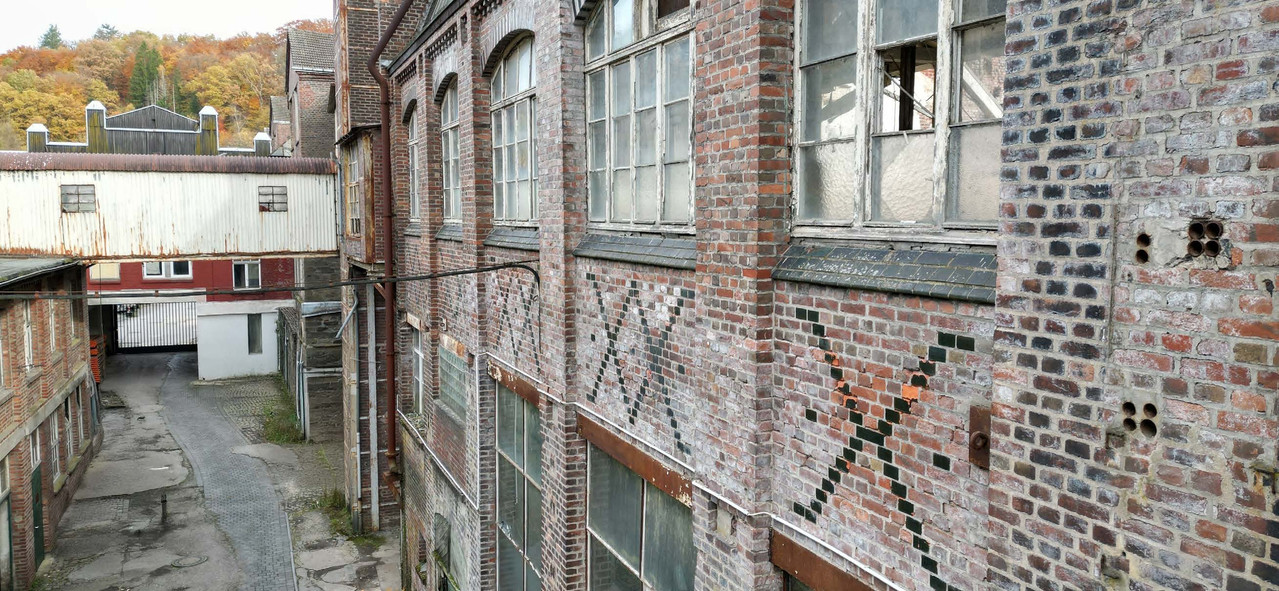
Raw Photo
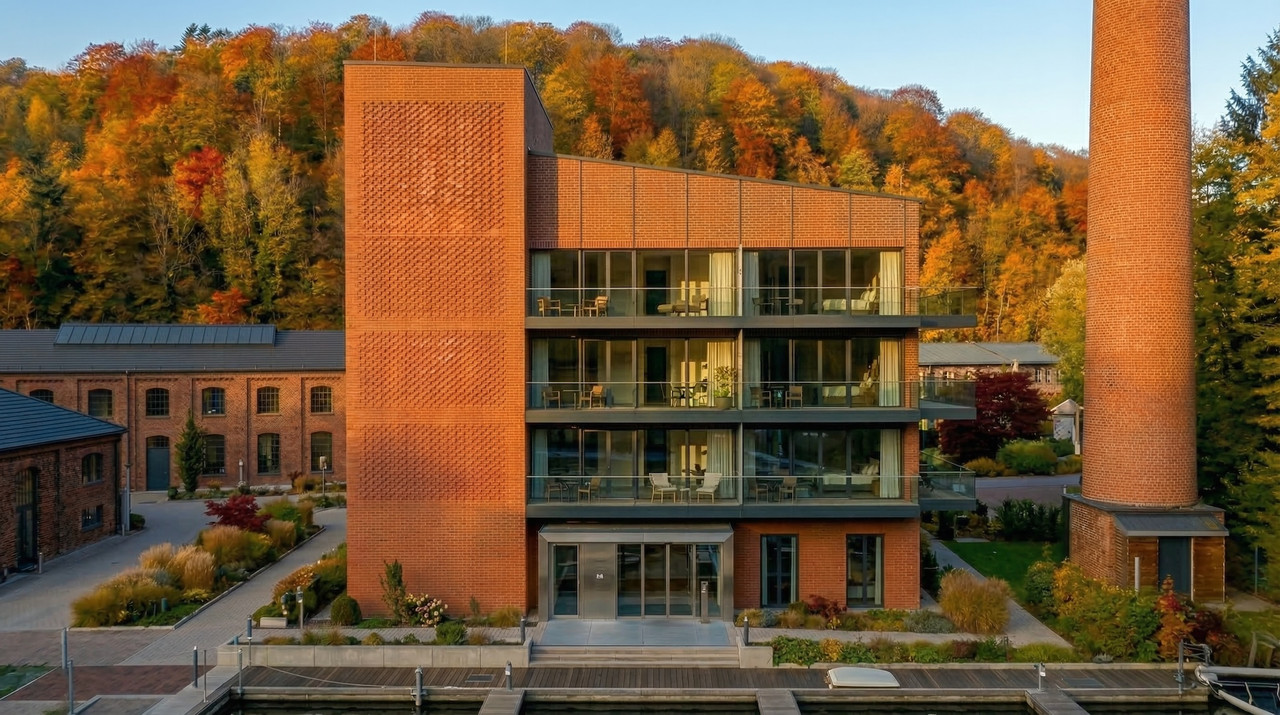
Style Reference
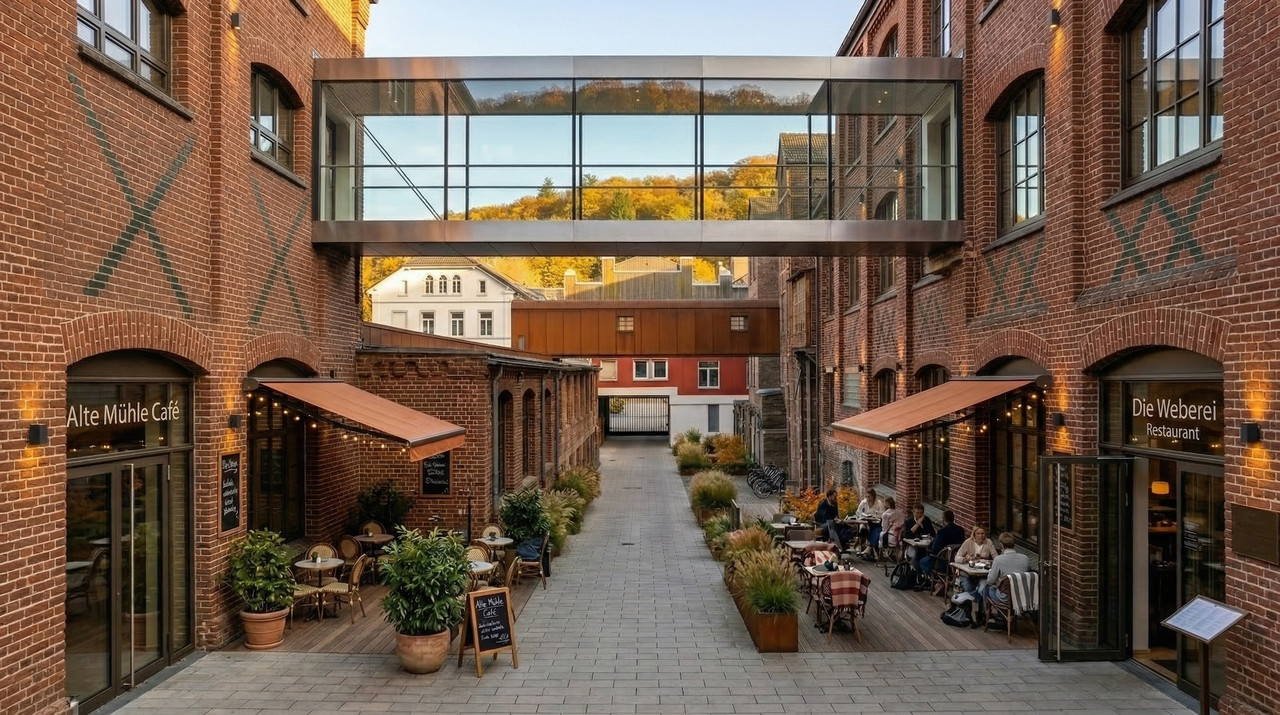
Final Render
Phase III: Environmental Aerial Blending
For a complete real estate package, grand aerial perspectives are crucial. One of our advanced techniques is to generate flawless drone shots by strictly geo-referencing raw topographical captures from Google Maps, and mixing them with our established style signature.
Topographical Translation: Raw Data to Real Estate
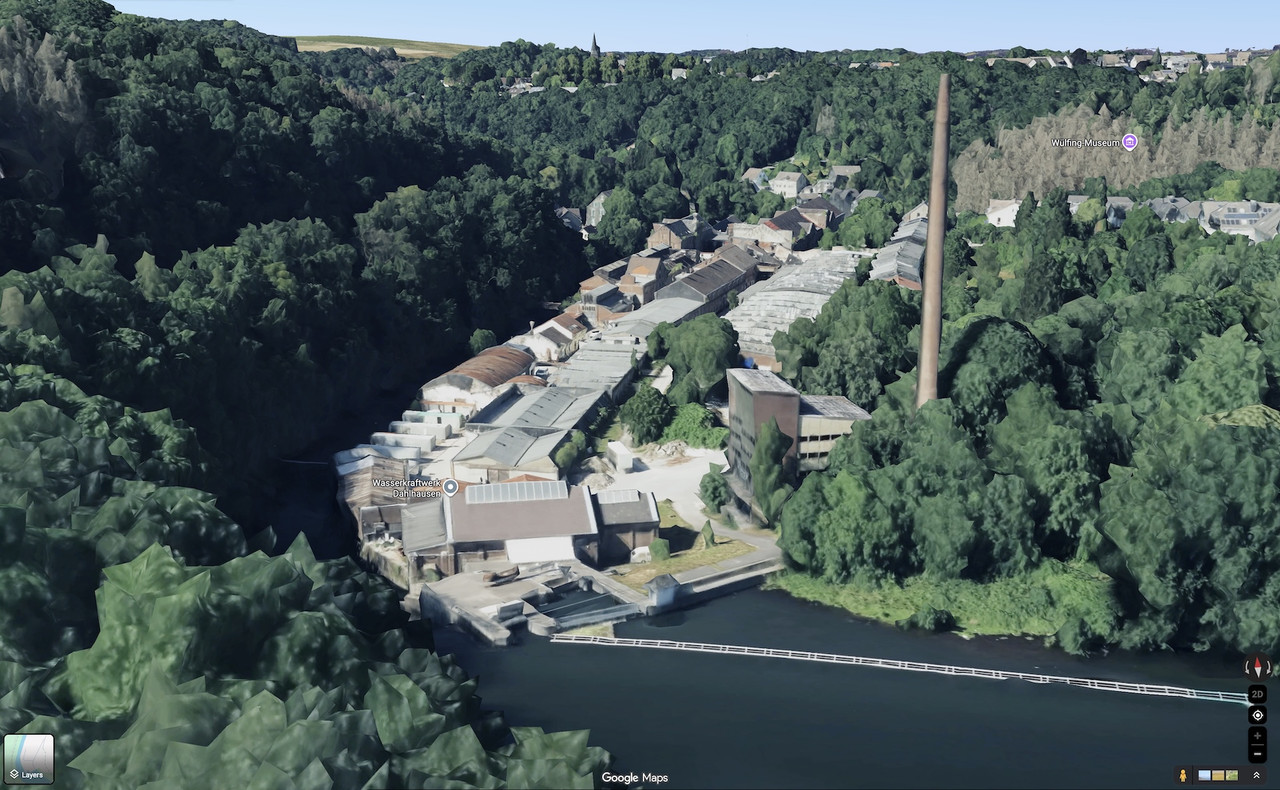
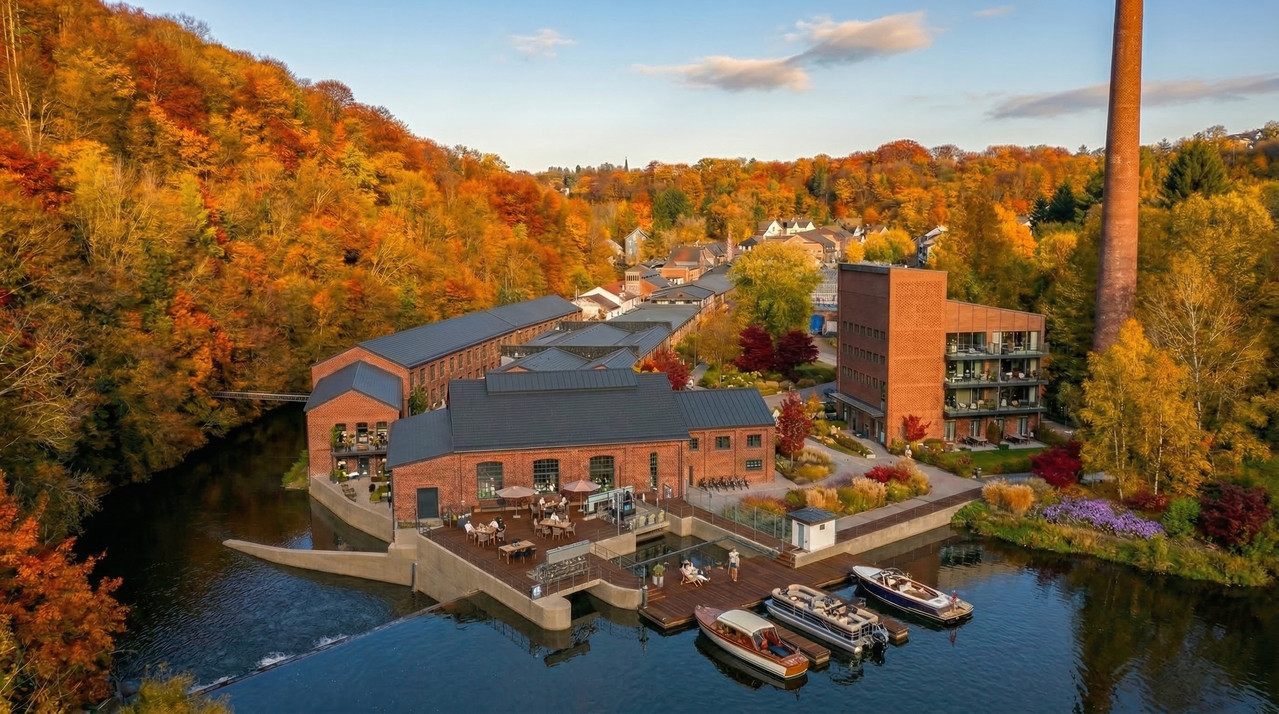
Final Render
If you want a step-by-step technical breakdown of this process, click here to explore our specialized Aerial Maps Tutorial (coming soon).
Phase IV: Conscious Lifestyle Inhabitation
To make scenes feel genuinely alive, we must introduce human elements that reflect the lifestyle of the environment. This must be approached logically: the demographics must match the space, whether it's a collaborative co-working hub or a relaxed family residential building.
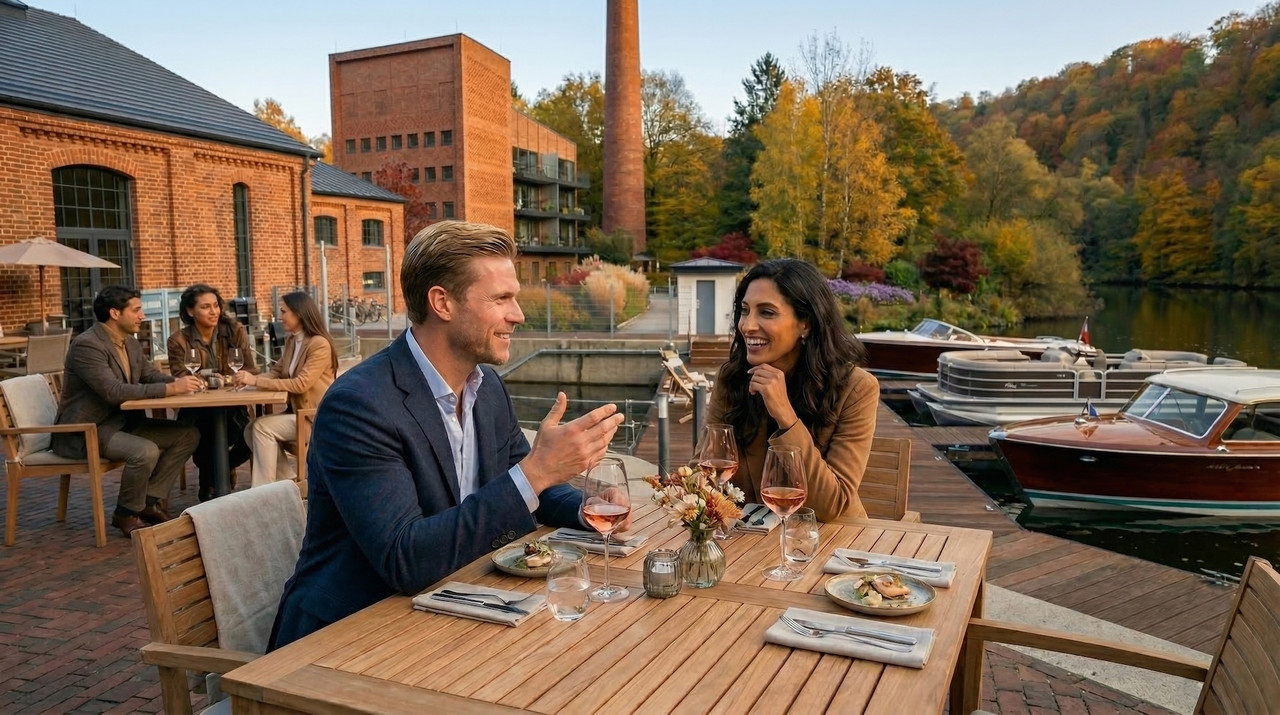
Crucially, you must actively manage demographic bias. Generative models tend to default to homogenized populations. You must actively specify in your prompt that you want your demographics to be ethnically balanced, integrating multiple ethnicities to accurately reflect modern, diverse urban realities.
Executing the Vision
While the foundational concepts are straightforward, achieving consistent, high-end editorial results requires significant time, architectural judgment, and parameter fine-tuning. If you would rather focus on selling the asset while professionals handle the visual synthesis, our team is ready to step in.