AI in Architecture: From Sketch to Render in 2026
Navigating the current landscape of AI rendering tools: when to use BIM integrations like Veras versus rapid ideation tools like ArchiVinci.
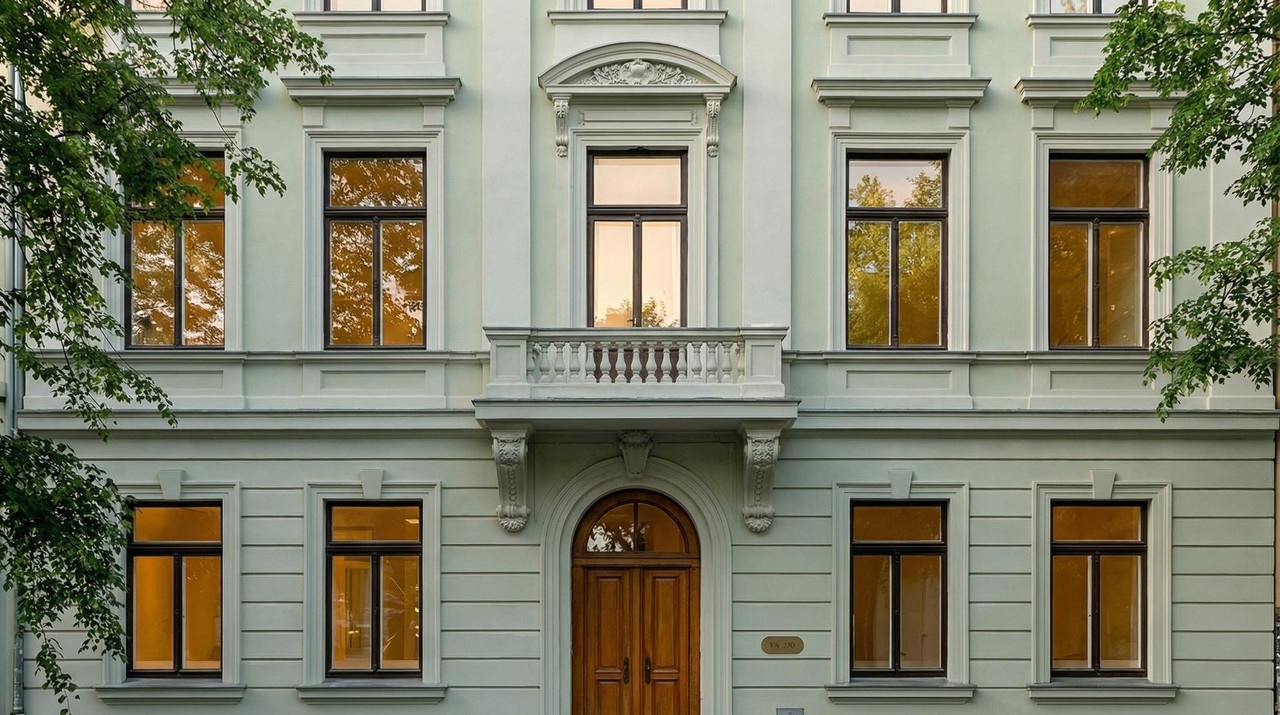
In 2026, the use of AI in architectural sketch-to-render workflows has evolved from an experimental novelty to a standard industry practice. The question is no longer whether to use AI, but which tool fits the specific stage of your design process. Currently, the landscape is divided by how these tools integrate with existing software and how well they preserve geometric intent.
Model-Based Plugins (Veras)
When geometric accuracy is non-negotiable, standalone web generators often fail by hallucinating structural changes. This is where model-based plugins excel. Tools like Veras operate directly within BIM and CAD environments—such as Revit, SketchUp, and Rhino. They read the active 3D geometry and apply AI-driven materials and lighting without altering the underlying model.
This approach ensures that the BIM file remains the single source of truth for dimensions and buildable geometry, while the AI accelerates client communication and material exploration.
Sketch Interpreters (ArchiVinci & MyArchitectAI)
For the earliest stages of design, when you only have a napkin sketch or a flat CAD screenshot, tools like ArchiVinci and MyArchitectAI provide rapid ideation. They infer a complete render from simple line drawings in seconds. While they are incredibly fast, they lack the geometric constraints of a BIM plugin, meaning the output is better suited for internal moodboarding than final client presentation.
If you need high-end artistic mood boards without strict geometric constraints, Midjourney remains a leader for pure aesthetic exploration based on text prompts.
The Need for a Unified Workflow
As the industry matures, we are seeing a shift toward collaborative design workspaces like Gendo, which move beyond one-click generation. These platforms provide a dedicated canvas where teams can store, edit, annotate, and compare multiple design iterations in one place.
Ultimately, generative models are built to speed up ideation. By choosing the right tool for the right input—Veras for 3D models, ArchiVinci for sketches—you ensure the AI supports your design process without compromising architectural integrity.